
🌱 Nourishing Your Body for Optimal Health: The Functional Medicine Way
I believe that nutrition is the cornerstone of healing and vitality - food can heal you or it can harm you. Every meal you eat is a chance to fuel your body, balance your mind, and support your long-term health. Here are some essential principles to guide you:
1. Balance Your Macronutrients
It is NOT just about calories in, calories out. Your body thrives on the right balance of:
Proteins: Support tissue repair, hormones, and neurotransmitter function. Opt for clean, high-quality sources like grass-fed meat, wild-caught fish, organic pasture raised (vs cage free) eggs, legumes, and tofu.
Aim for 30 grams of protein with each meal.
Healthy Fats: Crucial for brain health and hormone production. Include omega-3-rich foods like salmon, walnuts, chia/flax seeds, olive oil, and avocados.
Complex Carbohydrates: Fuel your body with slow-digesting carbs like quinoa, sweet potatoes, berries, and leafy greens for steady energy throughout the day.
Minimize all refined carbohydrates: Bread, rice, oatmeal, croissant, crackers, cereal, granola, tortillas, chips, pancakes, pastries, cookies, cakes, muffins, and many more. These all break down directly into sugar. It can be good to eat a moderate amount before a workout or intense activity but avoid especially first thing in the morning.
Don’t forget hydration: Aim for at least 80-100 ounces of water per day.
2. Prioritize Nutrient-Dense Foods: Stay Away From Processed Food
Maximize your nutrient intake by focusing on whole, minimally processed foods. Some functional favorites include:
Cruciferous Vegetables: Broccoli, kale, and cauliflower for detox support.
Fermented Foods: Sauerkraut, kimchi, and yogurt to nourish your gut microbiome.
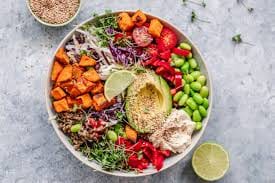
Colorful Fruits and Veggies: Think of your plate as a rainbow—each color offers unique antioxidants and polyphenols to fight inflammation.
Add Herbs and Spices: Cilantro, oregano, cinnamon, cumin, cayenne pepper, ginger, turmeric.

3. Timing Matters
When you eat can be just as important as what you eat:
Start your day with a protein-packed breakfast to stabilize blood sugar and boost energy…never skip your breakfast.
Avoid fasting for more than 4 hours at a time during the day and more than 12-16 hours overnight. Many times fasting actually adds more stress on the body.
Have your last meal 3-4 hours before bedtime to promote restful sleep.
4. Support Your Brain and Energy Levels
To support your cognitive function -
Reduce neuroinflammation and support brain health: turmeric, rosemary, holy basil, chili peppers, oily fish, berries, olives, dark chocolate, brazil nuts and red cabbage
Improve brain cell stability and communication: cocoa, green tea, coffee, wild-caught coldwater fish and shellfish, dark green leafy vegetables, turmeric, nuts and seeds
Fats for optimal brain function: medium-chain triglycerides (MCTs) from coconut oil and ghee, and omega-3s from oily fish, chia seeds, walnuts, olive oil.
Energy Optimizers: Matcha, green tea, and magnesium-rich foods like almonds, eggs, and spinach.


5. Personalize Your Plate
No two people are the same, and neither are their nutritional needs. It's important to experiment to find a nutrition plan that best fits your needs and goals and works best for you!
Remember: Every meal is an opportunity to nourish, restore, and renew. Start small, stay consistent, be patient, and your body will thank you. 🌟
6. Resources to Support Your Journey
Tools and apps can help you track and fine-tune your nutrition:
Food Scale: Amazon Food Scale Recommendations
Food Journal: Amazon Food Journals
MyFitnessPal App: Download MyFitnessPal – Great for tracking calories, macronutrients, and exercise.
Cronometer App: Download Cronometer – A detailed app for tracking micronutrients, vitamins, and minerals.
Super duper urge everyone to use a food scale and MyFitnessPal for just 1-2 weeks to understand portion size and macronutrients: carbs, fats, proteins - this is a foundation that cannot be skipped to be successful on your journey. It’ll be worth it. You are worth it.
For personalized recommendations or direct questions, send me an email and I’ll get back to you. Talk soon! <3